
Delphi Rise Prevention Counseling Home

What is the School-Based Prevention Program?
The school-based counseling program addresses a number of protective factors by teaching skills, information dissemination, education, positive alternatives and early intervention. Counselors are able to have direct contact and involve students who may be "at risk" for substance abuse within the context of the school environment. Risk factors include: students who have a family member(s) struggling with a substance-use disorder; students who are exhibiting risky behaviors including experimenting or using substances more regularly and socializing with a peer group involved in substance-use; students who are in need of outpatient treatment and can be helped to access outside services; students who could benefit from relapse-prevention after returning from a treatment program or need support for abstinence. In doing so, Delphi counselors can involve students in the counseling process who might not otherwise have access to preventative services.
We are able to provide assessments, individual counseling services, group counseling, evidence-based programs, and referrals. Delphi Counselors are proficient in organizing community awareness events including, but not limited to, health fairs, speakers, panels, and parent education. We are here not only to support students but can be a resource to the school district and community as a whole.
The Prevention Staff at Delphi are Trauma Informed, trained in working with trauma and adverse childhood experiences. The focus of our service delivery is sensitive to these experiences and the impact it has. Our approach focuses on what has happened... not... what is wrong.
What is Delphi Rise?
Delphi Rise is a non-profit, community agency committed to providing education, counseling, and support to the Greater Rochester/Finger Lakes Region.
Our vision: We see a future for our community in which every person can access education, counseling, and the tools for recovery, and in which every person is able to live a fulfilling and satisfying life free from stigma, abuse, and addiction.
Follow us on Facebook
There are also some great virtual recovery resources for mental health and substance abuse found below.
Resources
-
-
Planet Fitness is offering free gym memberships for high school students this summer!
-
-
- Delphi Rise Open Access
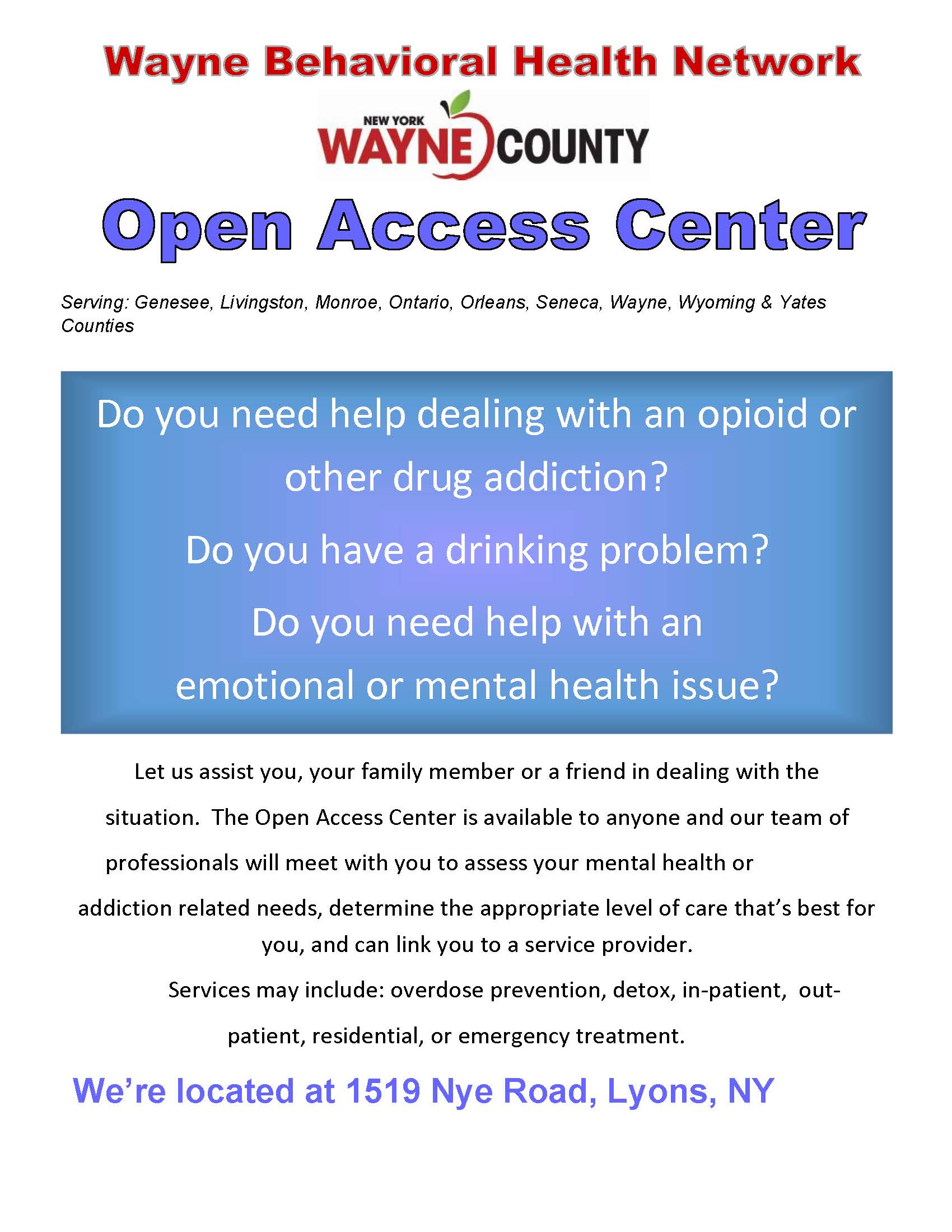
The Open Access Program is made possible through the cooperation of the RecoveryNet Collaborative. The Open Access Clinic is designed to take walk-in appointments. The counselor will conduct an evaluation and then connect the client to the appropriate level of care.

-
Know Why You’re Quitting
There are many good reasons to stop vaping. Do you want to feel healthier? Save money? Knowing why you want to quit vaping can help you stay motivated and focused on your goal to become vape-free. Think about the things in your life that are important to you. Does vaping get in the way of what’s important? If you’re not sure, try asking yourself these questions:
- Is vaping controlling my life?
- How does vaping affect the way I think and feel?
- How does vaping affect my relationships with my friends, parents, boyfriend/girlfriend, or other people important to me?
- How does vaping or thinking about vaping interfere with my schoolwork or grades?
- Are there activities that I used to enjoy that I don’t enjoy anymore because of vaping?
- Am I spending a lot of money to keep vaping?
- • What am I looking forward to the most after quitting?
Your answers to these questions can help you see how vaping is affecting your life, maybe in ways you hadn’t thought about before. Make a list of all the reasons that you want to quit vaping and put it in a place where you will see it often. It might help to keep the list on your phone. When you have the urge to vape, look at the list to remind yourself why you want to stop vaping. Frequently reminding yourself why you want to quit can keep you focused on quitting vaping.
Know What Challenges to Expect
The first few weeks of quitting vaping are usually the hardest. Take it one day at a time. You may face some challenges along the way, but knowing what to expect and being prepared can help.
Learn your triggers. Certain people, feelings, or situations can cause you to want to vape. It’s important to know your triggers. It may be best to avoid situations that can trigger you to vape when you’re in the early stages of your quit.
Prepare for cravings and withdrawal. Think about how you will fight cravings and deal with withdrawal symptoms. Knowing what to expect and having strategies for handling thoughts about vaping or uncomfortable feelings will help you succeed and stay with your quit in those tough moments.
Resist temptations. Avoid places and situations where others are vaping. If you can’t avoid being around vaping, plan for how you will handle these situations. Maybe that means you take a temporary break from friends you vape with and think about what you will say if somebody offers you a vape.Quit Tobacco Completely
Some people who vape also use cigarettes or other tobacco products. If you smoke cigarettes or use other tobacco products besides vapes, now is a good time to quit those too.
We know it can seem challenging to quit smoking or using other tobacco products at the same time as quitting vaping, but becoming completely tobacco-free is the best thing you can do for your health.
Remember: There are tools available to help you quit. Download the quitSTART app or try SmokefreeTXT by signing up online or texting QUIT to 47848.Imagine Your Vape-Free Self
It might be hard to imagine your life without e-cigarettes – especially if vaping is something you do a lot throughout the day. You might feel like a piece of yourself is missing when you first quit. It can take time to get used to the new vape-free you, but over time this will become your new normal. Here are some strategies that can help:
- Make the mental shift. Start thinking of yourself as someone who doesn’t vape. This will help separate you from vaping and give you the confidence to quit and stay quit.
- Focus on the positive. Make a list of all the positive things about yourself that don’t involve vaping and put it somewhere you can see often, like on your bedroom wall or phone. It will remind you that vaping does not define who you are.
- Picture the future you. Think about who you want to be in the future. Compare that with who you are now. Ask yourself: How are they different? How does vaping get in the way of what you want for the future? The answer to this can help motivate you to stick to your decision to quit.
Set Your Quit Date
The first step to giving up vaping is to choose a date to quit. Here are some tips to help you pick a quit date:
- Give yourself time to get ready. Getting ready can help you feel confident and give you the skills you’ll need to stay quit.
- Don’t put it off for too long. Picking a date too far away gives you time to change your mind or become less interested in quitting. Choose a date that is no more than a week or two away.
- Set yourself up for success. Try not to pick a quit date that will be stressful, like the day before a big test.
- Have you picked your quit date? Circle it on your calendar or set an alert on your phone, and make sure you have a plan for what you will do on the big day.
Build Your Team
Surrounding yourself with supportive people can make it easier to quit vaping. Friends, family, co-workers, and others can be there to listen, boost your mood, and distract you from using your vape.
Ask for help. You don’t have to do it alone. If you feel comfortable, tell your friends and family that you’re quitting vaping and that you will need their support. Here are some ways to ask for the support you need.- Be specific. Whether you need tough love or something softer, tell your friends and family what type of support you want, and how often you want their help. For example, if you are feeling stressed or anxious after school, ask a friend to help keep you distracted.
- Say thank you. Tell your support team you appreciate them. A thank-you can go a long way – and it doesn’t take much time. Research also shows that being grateful can improve physical health, mental health, and self-esteem.
- Support others. Support is a two-way street. Check-in with your friends and ask them what you can do to help them. Or, do something to brighten someone’s day.
- Talk to a doctor. Talk to your doctor or another health care professional about how to quit vaping. Ask how they might be able to help you. They can offer support and resources.
- Talk to a tobacco cessation counselor. Get free, personalized support from an expert. Call 1-800-QUIT-NOW or 1-877-44U-QUIT to talk with a tobacco cessation counselor. You can also chat online using the National Cancer Institute’s LiveHelp service.
- Dealing with people who don’t get it. Some important people in your life may not understand your decision to quit. It can be frustrating or discouraging when someone in your life is not as supportive as you’d like. Try one of these strategies:
- Distance yourself. You may need to take a break from unsupportive people when you first quit. Let them know that you need to make quitting vaping your priority right now.
- Recommit to quitting. Remind yourself why you are quitting and why being vape-free is important to you.
- Ask them to respect your decision. Not everyone will know how to be supportive, and that’s okay. Ask them not to vape around you or offer you to use their vape.
- Lean on positive people. Spend time with people who make you feel good about your decision and who want you to quit.
Please visit the following site for more information: smokefree website
-
* * SAMHSA’s “Talk. They Hear You.” Campaign engages parents and caregivers of children ages 9 to 15 in the prevention of underage drinking.
- 33 percent of 8th graders and 70 percent of 12th graders in the United States have tried alcohol.
- Young people who start drinking before age 15 are five times more likely to develop alcohol problems as adults than those who begin drinking at 21 or older.
- 40 percent of adolescents do not talk with their parents about the dangers of substance use, and 25 percent do not receive prevention messages through media or school sources.
Talk to your kids about drinking before they are teens, they are listening! For tips on how to start the conversation visit:
Other Resources
Childhood Trauma And its Lifelong Health Effects More Prevalent Among Minorities
Fentanyl-Laced Cocaine Becoming A Deadly Problem Among Drug Users
Marijuana-Related ER Visits by Colorado Teens on the Rise
Mental Health to be Addressed in all Schools Effective 2018
NAMI-Want-To-Know-How-To-Help-A-Friend
National Institute on Alcohol Abuse and Alcoholism
National Institute on Drug Abuse
National Institute on Drug Abuse
OASAS Addition Doesn’t Take Time Off
Partnership for Drug-Free Kids: Online Support Community for Parents and Caregivers
Risks of E-Cigarette Factsheet
Substance Abuse and Mental Health Services Administration (SAMSHA)
Substance Abuse and Mental Health Services Administration (SAMSHA): Marijuana and CBD
Substance Abuse and Mental Health Services Administration (SAMSHA): Mental Health
Talking to Kids About Alcohol and Drugs
Virtual Recovery Resources
Loading document viewer...